5 – STEP BASIC
SKINCARE ROUTINE
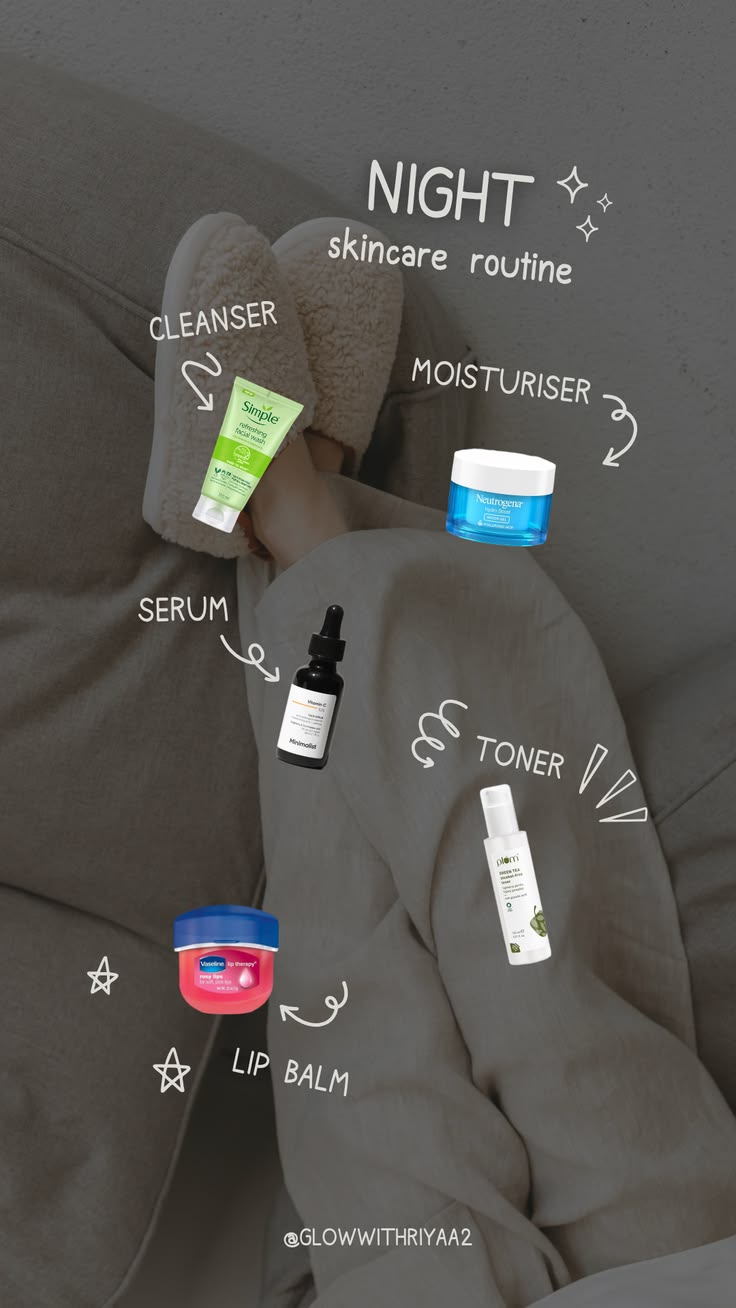
Cleansing
Use a gentle cleanser suitable for your skin type.
Toning
Apply a toner to help balance your skin’s pH levels and tighten pores.
Serum
Apply a serum with active ingredients tailored to your skin concerns.
Moisturizing
Use a moisturizer to lock in hydration and keep your skin soft and supple.
Sun Protection
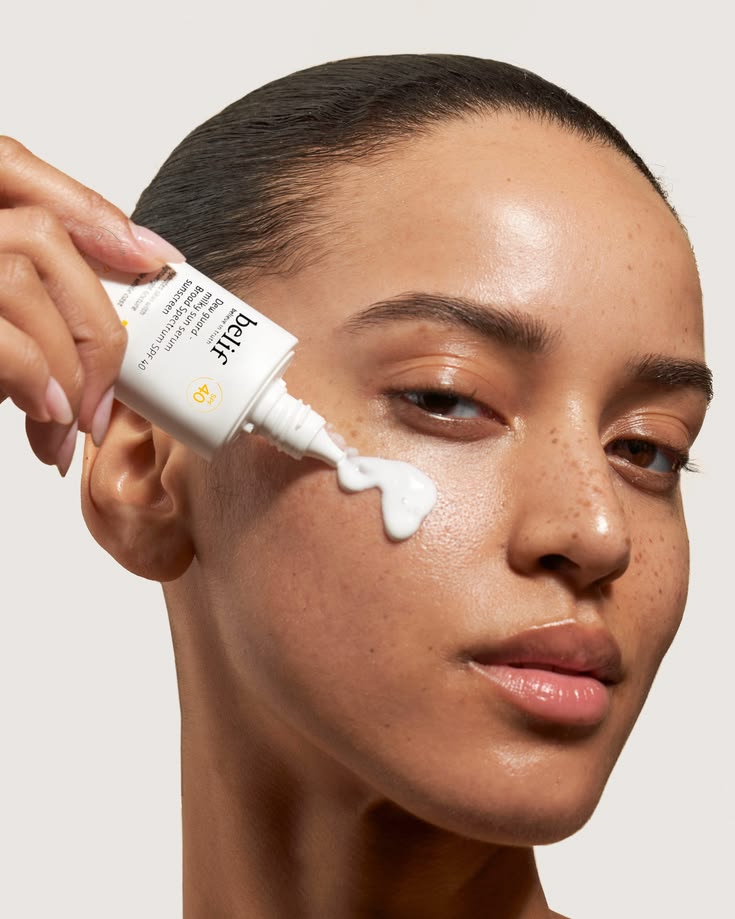
In the morning apply sunscreen with at least SPF 30 to protect your skin from harmful UV rays.
Glow Starts Here
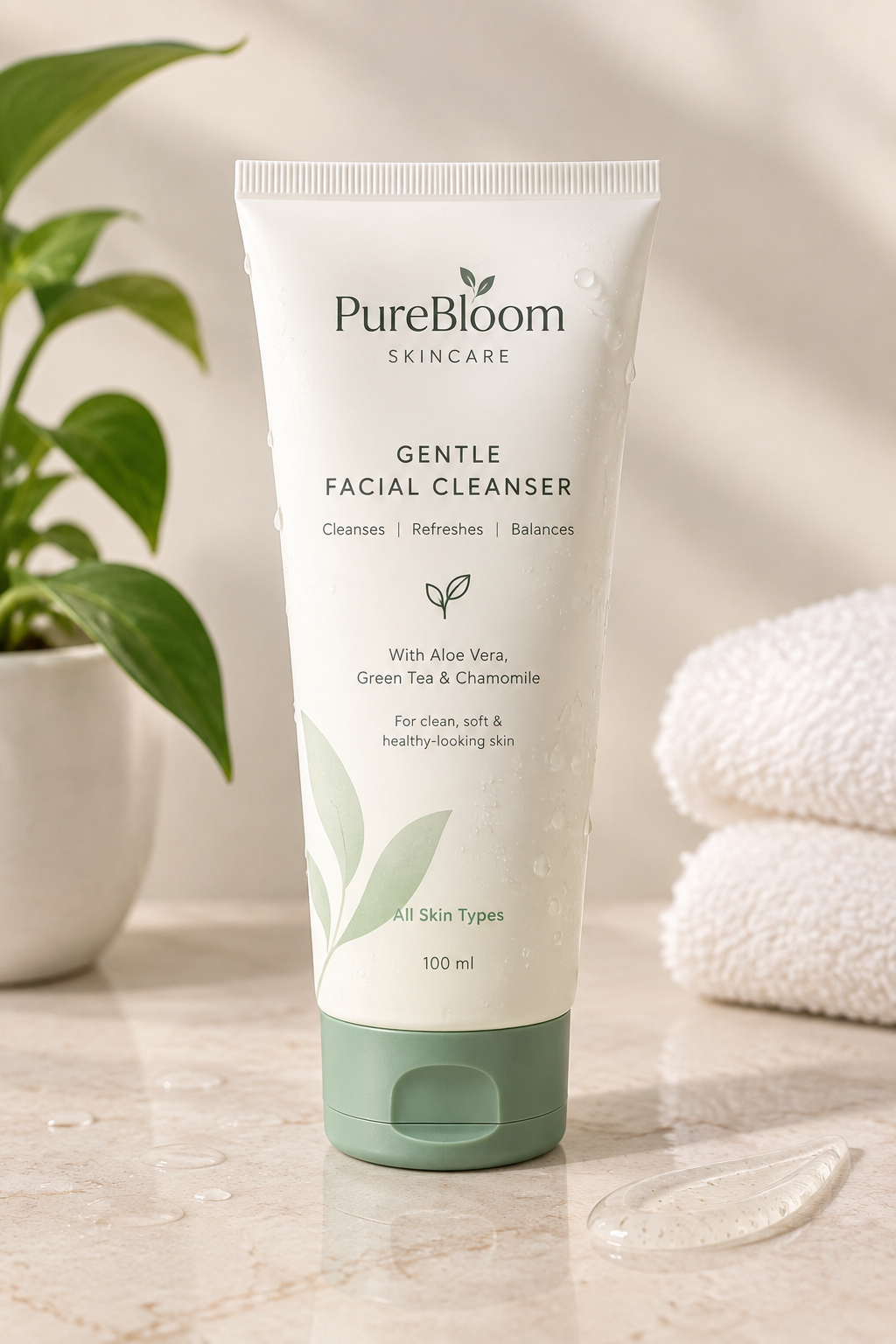
How to Use Cleanser
- Wet your face with lukewarm water.
- Take a small amount of cleanser.
- Gently massage it over your face for about 30–60 seconds.
- Rinse thoroughly with water.
- Pat your face dry with a clean, soft towel.
Tip: Cleanse your face twice a day—morning and evening.
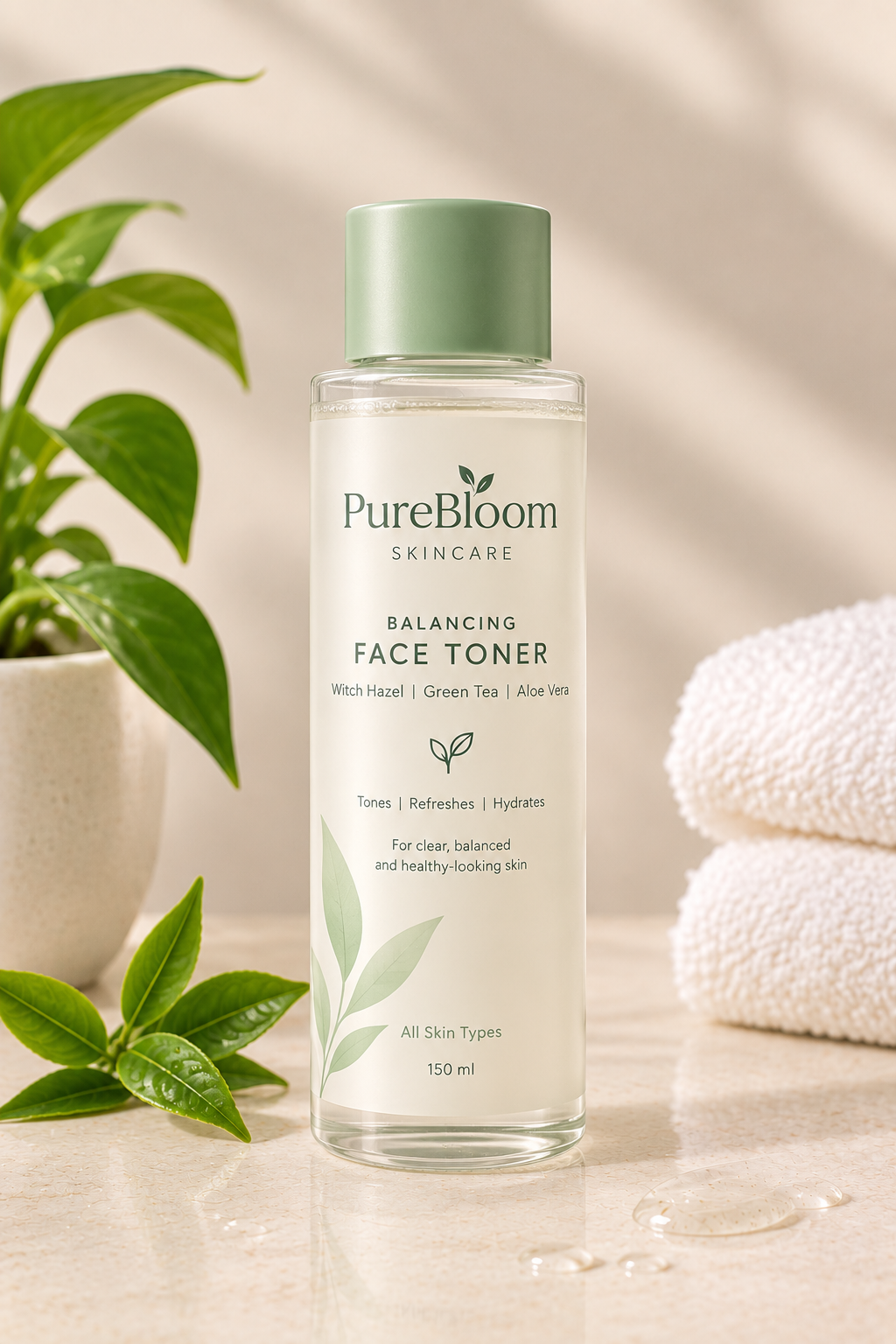
How to Use Toner
- Cleanse your face first.
- Apply a small amount of toner to your palms or a cotton pad.
- Gently pat or sweep it over your face.
- Let it absorb naturally.
- Follow with serum or moisturiser.
Tip: Choose a toner according to your skin type and avoid harsh, heavily fragranced products if your skin is sensitive.
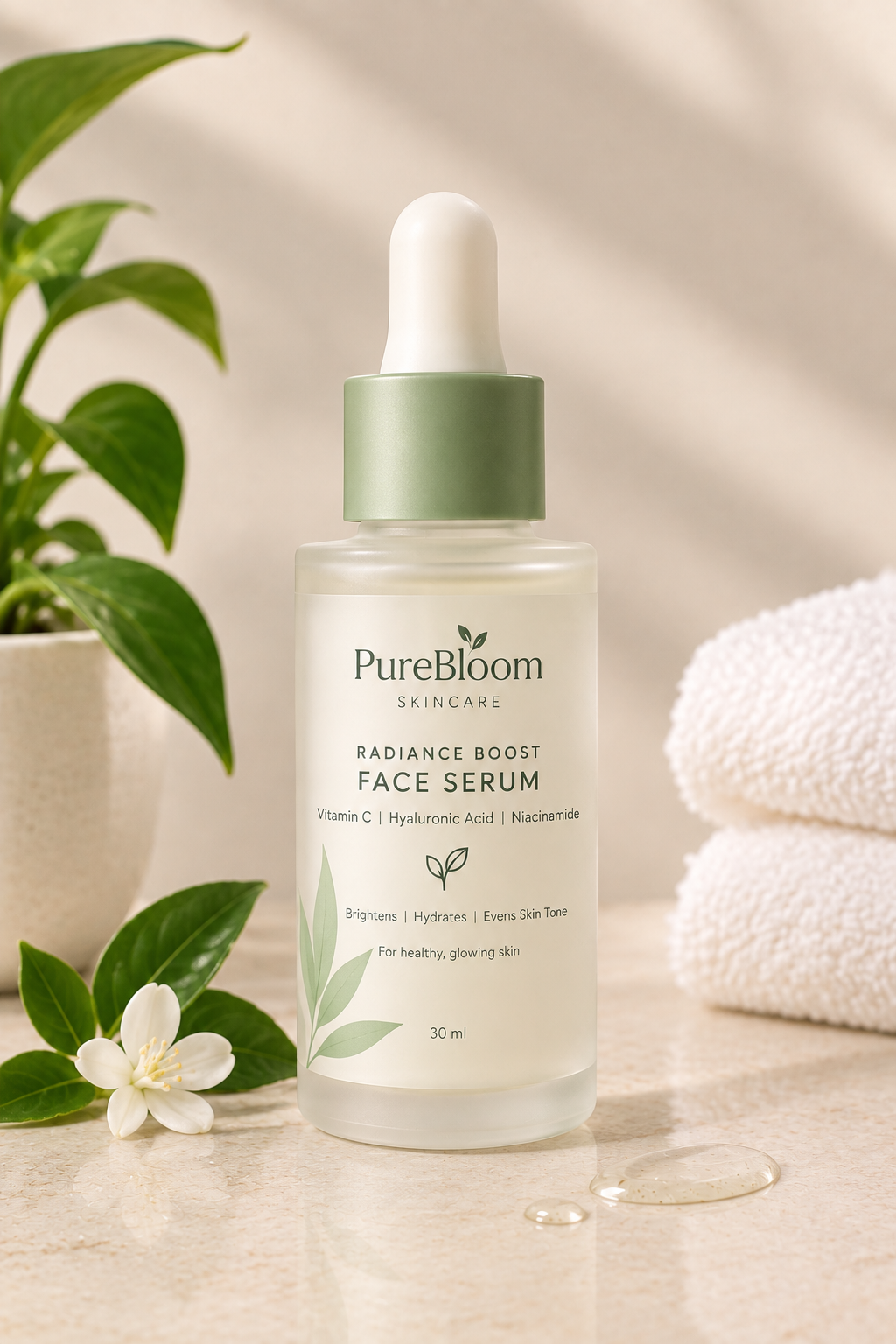
How to Use Serum
1 Cleanse your face and apply toner if you use one.
2 Take 2–3 drops of serum.
3 Gently spread it over your face.
4 Pat lightly until absorbed.
- 5 Follow with moisturiser.
- 6In the morning, finish with sunscreen.
Your Complete Skincare Routine
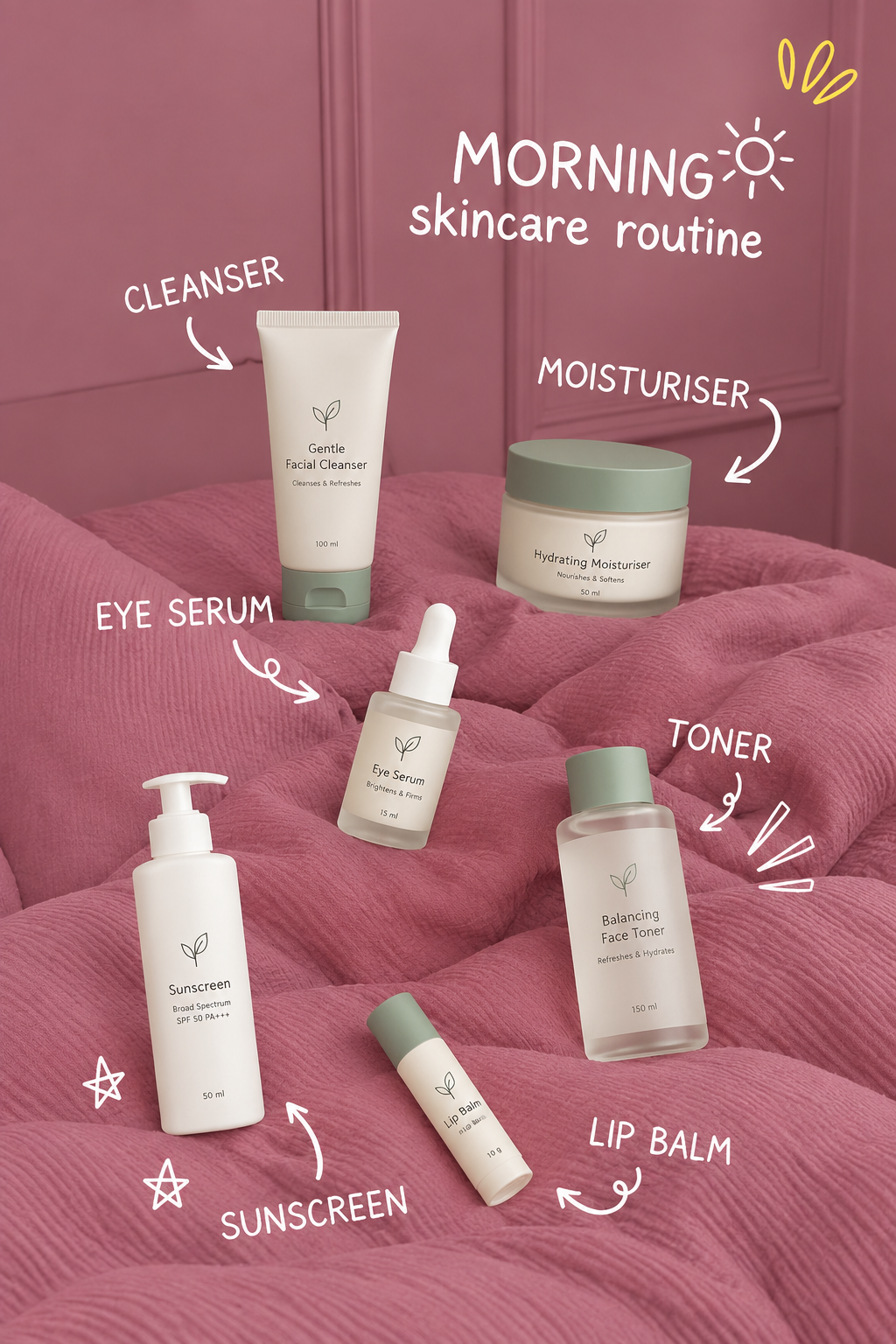
Why suns cream is important
Know MoreThe best suncream
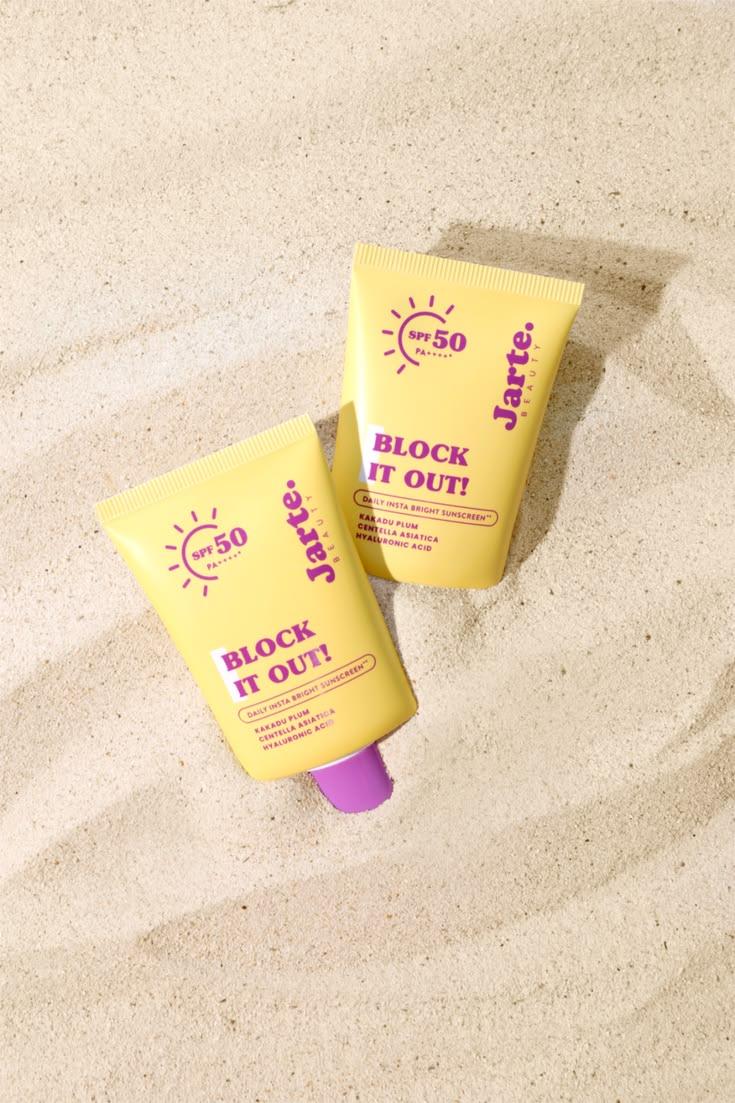
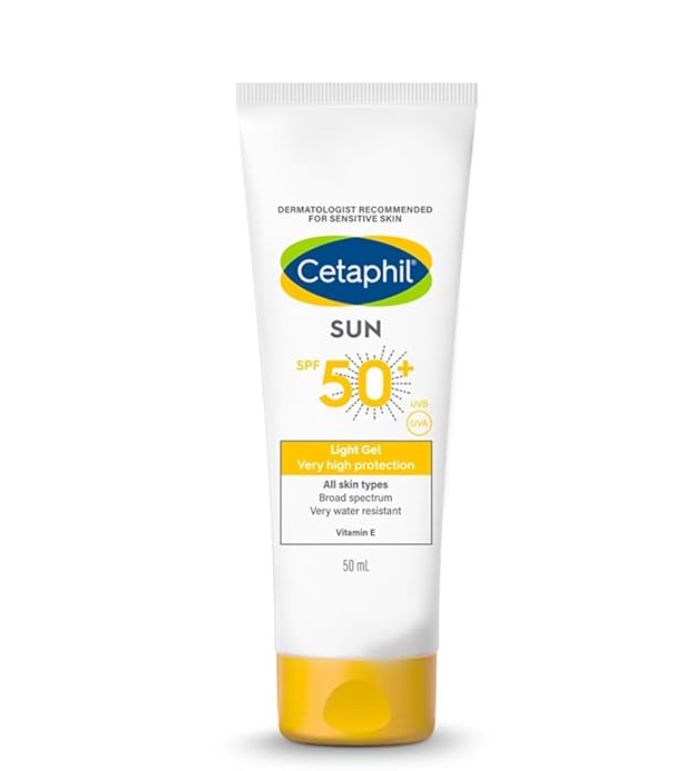
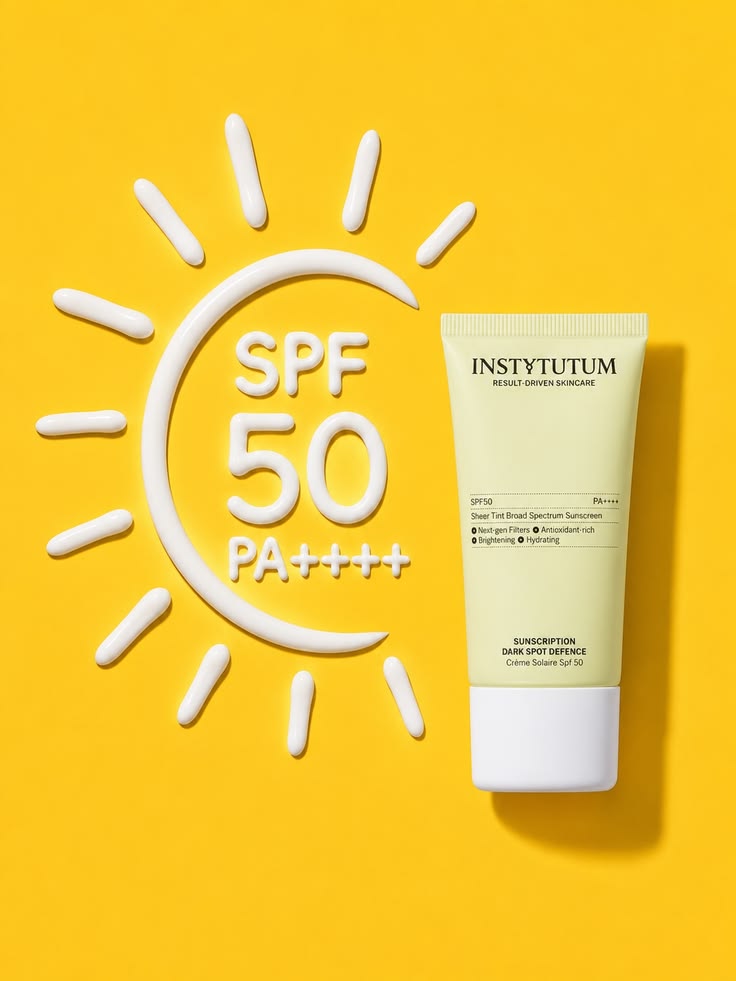
Importances of suncream
Common Skincare Mistakes to Avoid
1. Over-Washing Your Face
Washing your face too often can remove the skin’s natural oils and leave it feeling dry or irritated. For most people, cleansing twice a day—morning and night—is sufficient.
2. Skipping Sunscreen
Sunscreen helps protect the skin from harmful UV radiation. Skipping it can increase the risk of sunburn and long-term sun damage. Make sunscreen an important part of your morning routine.
3. Using Too Many Products
Using several skincare products at the same time can sometimes irritate the skin, especially when multiple active ingredients are involved. Start with a simple routine and introduce new products gradually.
4. Not Removing Makeup Properly
Sleeping with makeup on can leave makeup, oil, and other residue on the skin. Remove makeup gently before cleansing your face at night.
5. Choosing Products Without Considering Your Skin Type
A product that works well for one person may not work the same way for someone else. Consider whether your skin is oily, dry, combination, normal, or sensitive when choosing skincare products.
6. Scrubbing the Skin Too Hard
Rough scrubbing can irritate the skin. Use gentle movements and avoid aggressive exfoliation.
7. Not Moisturizing
Skipping moisturizer is a common mistake. Moisturizers help maintain hydration and support the skin barrier. Even oily skin can benefit from a suitable lightweight moisturizer.
8. Changing Products Too Frequently
Switching products constantly makes it difficult to know what works for your skin. Give a new routine enough time to assess how your skin responds, unless a product causes irritation.
How to Understand Your Skin Type
Understanding your skin type is the first step toward creating a skincare routine that suits you. Skin is generally classified into normal, oily, dry, combination, and sensitive types. To get a general idea of your skin type, wash your face with a gentle cleanser and leave it without skincare products for about 30 minutes. If your skin feels comfortable and looks balanced, you may have normal skin. If your face becomes shiny, especially around the forehead, nose, and chin, you may have oily skin. If your skin feels tight, rough, or flaky, you may have dry skin. If some areas, especially the T-zone, become oily while your cheeks feel normal or dry, you may have combination skin. If your skin frequently feels irritated, itchy, or reacts easily to products, it may be sensitive skin. Remember that skin can change with weather, age, and other factors, so your skin type may not always remain the same.
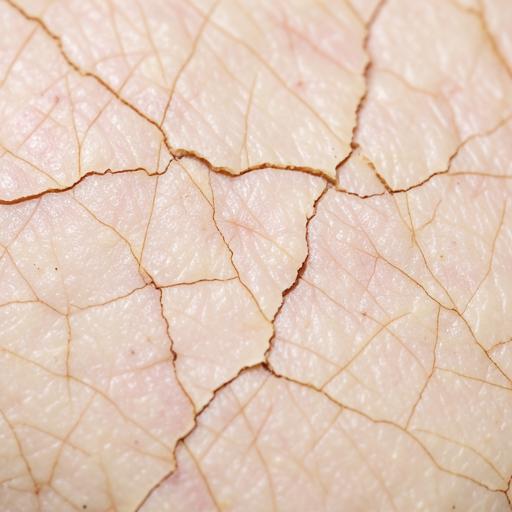
Dry Skin

Oily Skin

Normal Skin
Foods That May Affect Your Skin

Food to avoid for clear skin
For clear and healthy skin, you don’t necessarily need to completely avoid specific foods. A balanced diet is more helpful. However, having these foods less often may be beneficial, especially if you notice they trigger breakouts:
🍟 Foods to Limit
- Sugary Foods – Candies, cakes, pastries, and sugary desserts can cause rapid blood-sugar spikes.
- Sugary Drinks – Soft drinks, sweetened juices, energy drinks, and other high-sugar beverages are best limited.
- Highly Processed Foods – Chips, packaged snacks, instant noodles, and similar foods are often high in refined carbohydrates, salt, and unhealthy fats.
- Fast Food – Burgers, fries, pizza, and other heavily processed meals are better enjoyed occasionally rather than regularly.
- Refined Carbohydrates – Foods made mainly with refined flour, such as white bread and many bakery products, can contribute to blood-sugar spikes.
- Very Greasy Foods – Frequently eating heavily fried foods may make it harder to maintain an overall balanced diet.
🥗 Choose More Often
Try including vegetables, fruits, whole grains, nuts and seeds, beans, and adequate water in your daily diet.

Cakes

Soft Drinks

Fries
Simple DIY Skincare to do at home
- Oatmeal Face Mask
Mix finely ground oats with a little plain yogurt or water to make a soft paste. Apply for 10–15 minutes and rinse gently. Oats can help soothe the skin. - Aloe Vera Gel
Apply a thin layer of plain, fragrance-free aloe vera gel to clean skin. Leave it on for a short time and rinse if your skin feels irritated. - Honey Mask
Apply a thin layer of plain honey for about 10 minutes, then rinse with lukewarm water. Avoid this if you are allergic to honey or bee products. - Cool Compress
Place a clean, cool damp cloth on your face for a few minutes when your skin feels warm or uncomfortable.
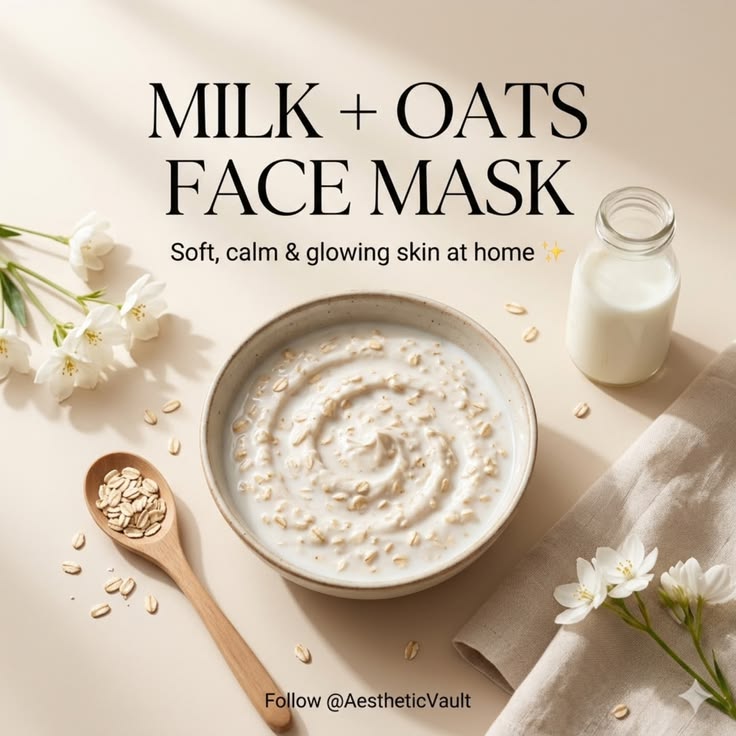
Oats face mask
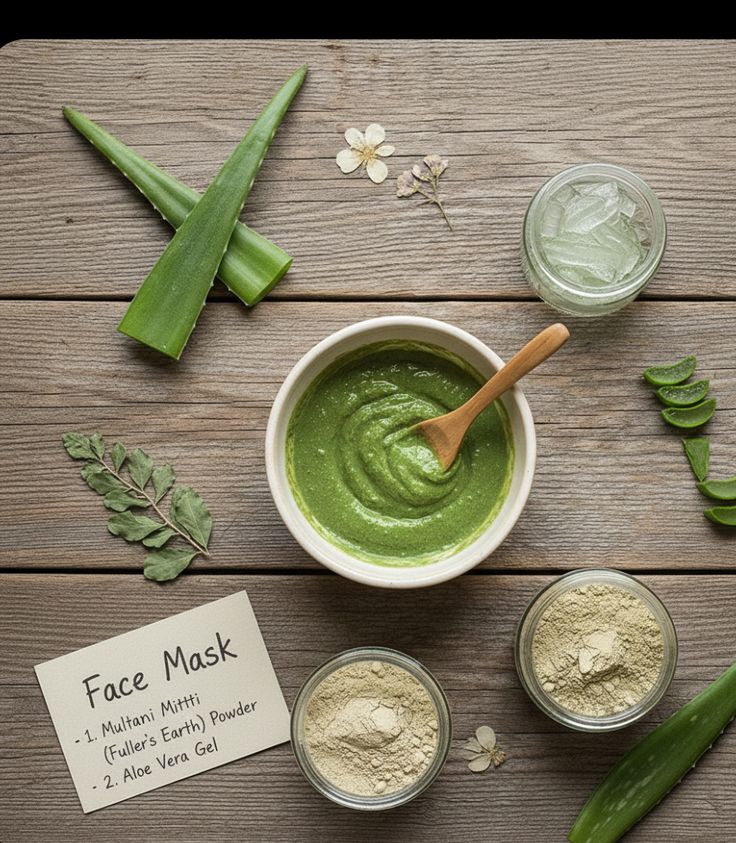
Alo versa mask
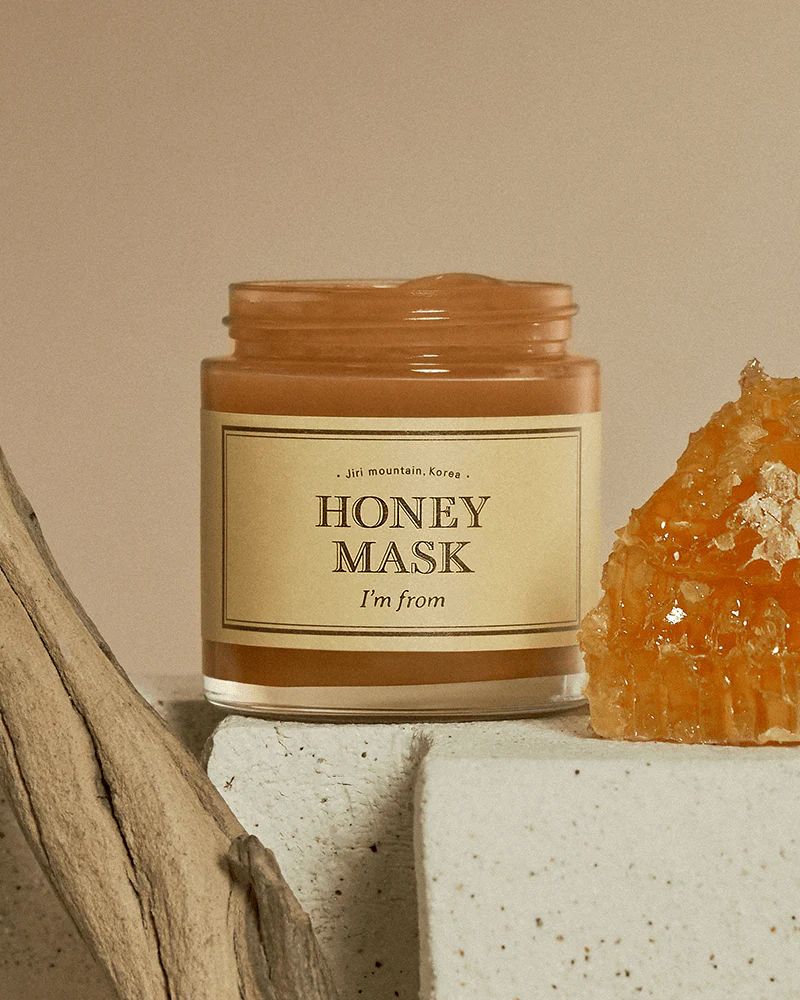
Honey face mask

Avoid putting lemon, baking soda, toothpaste, undiluted vinegar, or rough sugar/salt scrubs on your face, as they can irritate the skin.